
Residential Tile Installation
Thoughtful layouts for kitchens, entries, living spaces and the rooms in between.
Explore servicePreparation, layout and lasting finishes for your next tile project.
Tile installation in Carol Stream often starts with an update question: how can a subdivision kitchen, entry, bathroom, or laundry room feel current while working hard every day? Winfield Tile Installation plans the tile assembly from the surface up. We look at the substrate, floor movement, transitions, drainage, and room use before recommending a material or pattern.
A careful tile job begins below the tile and ends with details that are easy to live with.
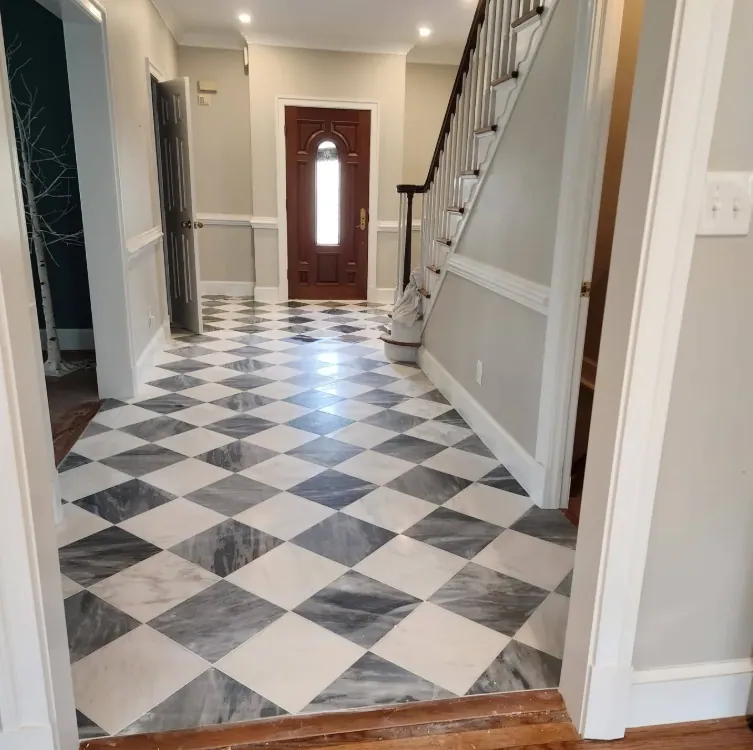
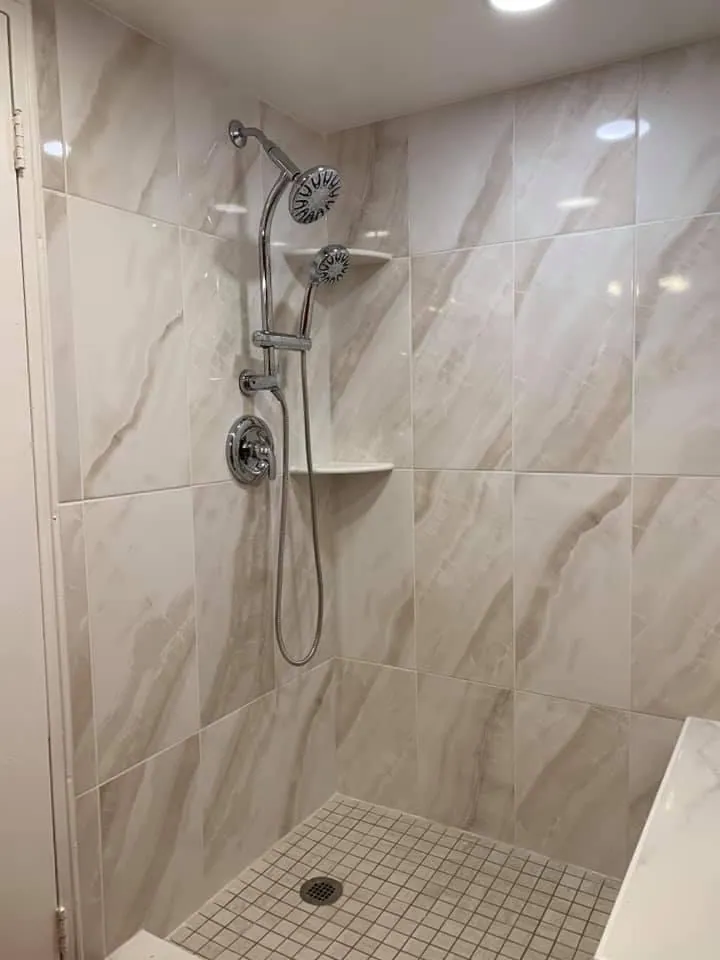
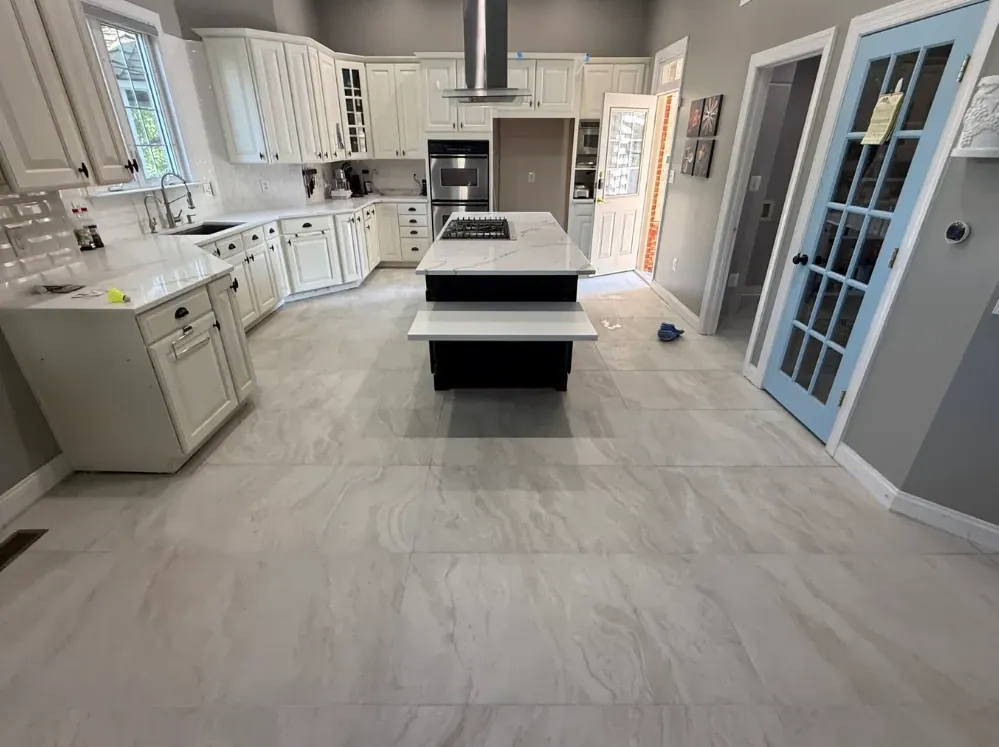
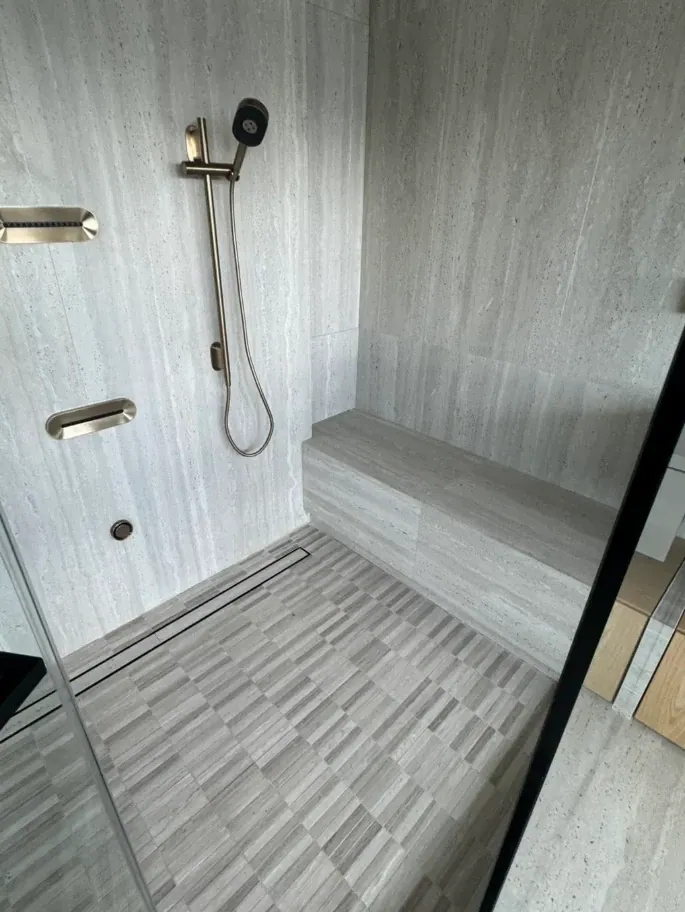
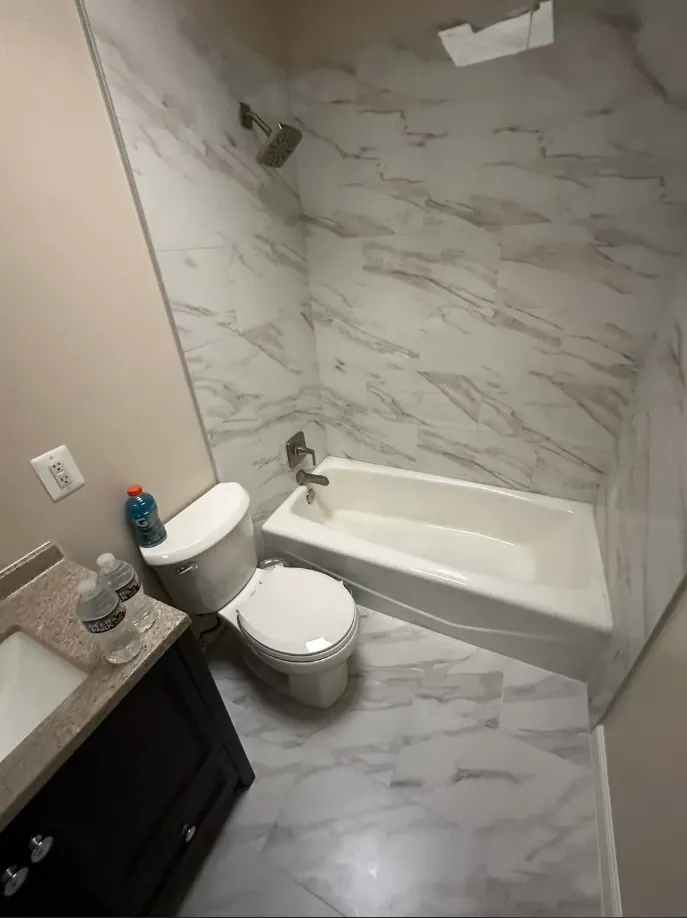
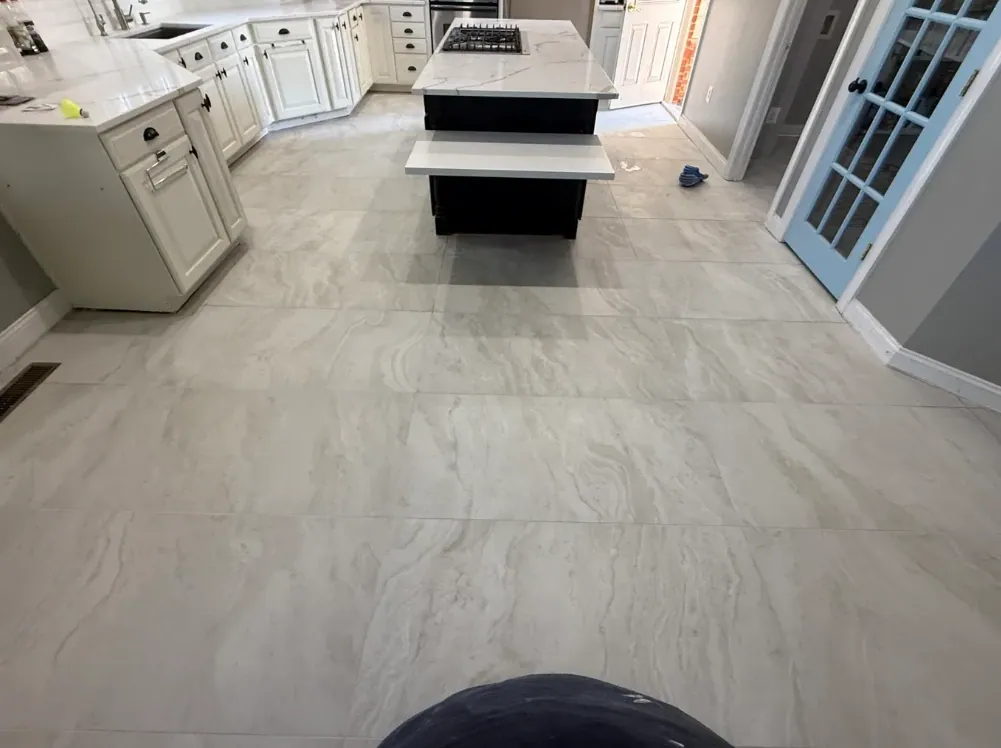
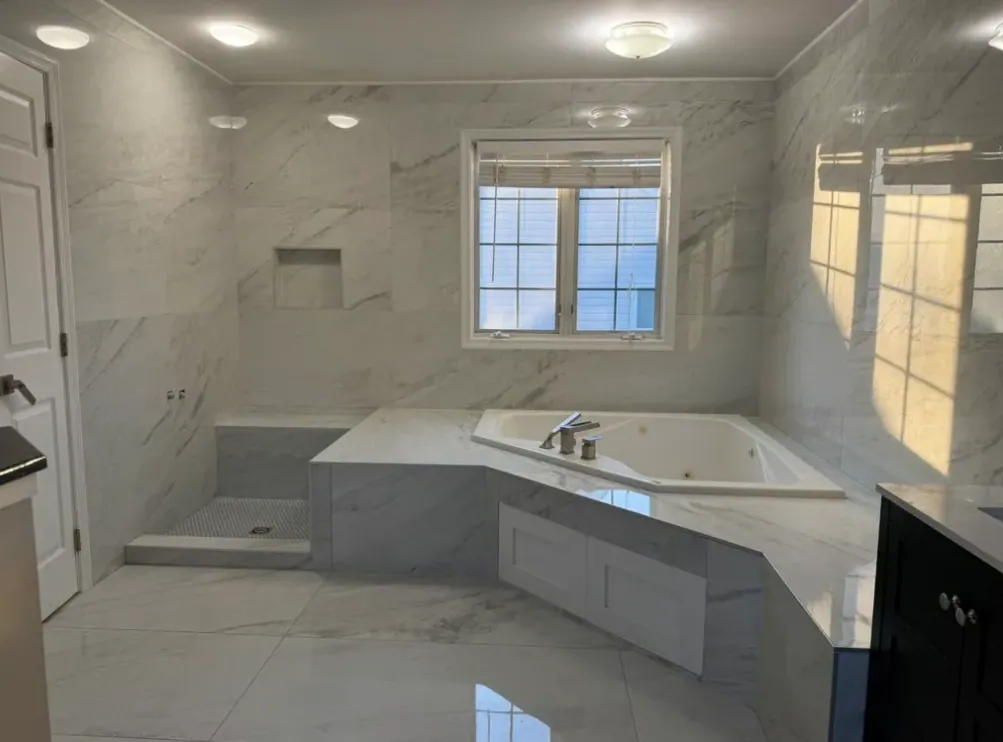
Planning a project in Carol Stream? These examples from our supplied photo archive show different tile layouts and finishes. Individual project locations are not verified.
Read the experiences shared by our clients. Reviews below are provided by Trustindex, not written or selected as testimonials by us.
Thoughtful layouts for kitchens, entries, living spaces and the rooms in between.
Explore serviceDurable surfaces, careful preparation and a plan that respects your working hours.
Explore serviceWalls, floors and wet-area details considered together, from layout to finish.
Explore serviceA sound starting point: controlled removal, substrate assessment and surface preparation.
Explore serviceThe scope, material responsibilities and room access belong in the conversation before work begins. We explain the sequence so you can plan around it.
Preparation includes discussing protected routes, nearby belongings and how to keep the work zone separate from everyday life.
A tile finish is a complete assembly. We consider the support, setting system, layout and movement details together rather than treating the surface alone.
Measuring, checking substrate conditions and allowing appropriate curing time are part of the job. A sound installation should never depend on skipping those steps.
Carol Stream homes include many subdivision layouts where an entry meets a family room, a kitchen connects to dining space, or a bathroom needs a focused refresh. Tile can define those zones, but planning must account for cabinet lines, door swings, appliances, stairs, and adjoining-floor height. We discuss your visual direction, then translate it into a layout with sensible cuts and transitions.
Photos shown in an archive are examples of tile work, not completed projects in Carol Stream. Your substrate, dimensions, tile, and site conditions determine the installation plan.
Before setting tile, we assess the substrate for flatness, soundness, moisture concerns, and deflection. A floor that flexes or changes plane can telegraph problems into grout and tile, so preparation may include patching, removing weak material, correcting transitions, or using a suitable self-leveling compound. Leveling means creating a flat, stable plane appropriate to the room and drainage needs.
The assembly may call for cement board or a foam board system, depending on the location and design. Cement board provides a firm tile backer when installed with the required support and fasteners. Foam board can provide a lightweight, water-resistant backer in appropriate applications when its system details are followed. Uncoupling or crack-isolation membranes may help manage movement between layers, while waterproofing membranes are essential components in wet areas when installed as a continuous system.
Ceramic tile can suit walls, backsplashes, and many light- to medium-duty floors. Porcelain is a dense option often selected for floors, entries, and regular traffic. Large-format porcelain can reduce grout lines, but it demands a flatter substrate, careful handling, appropriate mortar, and back-buttering when needed for coverage. Natural stone brings variation and requires material-specific cleaning and, for some stones, sealing.
Mosaic tile works well for shower floors, niches, borders, and areas where smaller pieces help follow a plane. Glass is commonly used as an accent or backsplash material and needs a setting method compatible with its transparency and backing. We review thickness, finish, slip considerations, shade variation, and maintenance before finalizing the selection.
A measured layout helps center the field, balance cuts at walls, and coordinate grout lines with cabinets, fixtures, drains, and door openings. We dry-plan key areas, establish reference lines, and account for movement joints where the installation and room conditions call for them. Cuts are planned at visible edges instead of leaving narrow slivers wherever the layout can reasonably avoid them.
Thinset selection follows the tile, substrate, and application. Mortar is combed consistently, tiles are pressed to collapse ridges, and coverage is checked. Large-format pieces may need back-buttering. Lippage control depends on a flat base, sound technique, tile variation, and a layout that respects the material; grout and transitions are finished after setting work cures according to product requirements.
Planning tile work in Carol Stream? These are useful questions to settle before the first tile is set.
Have another question?Porcelain is often considered for busy floors because it is dense and available in many finishes. Ceramic, mosaic, and large-format options can also work when use, slip characteristics, substrate, and maintenance fit the room. The right choice depends on the space, not the city alone.
Yes. We look at flatness, soundness, moisture concerns, deflection, transitions, and existing layers. The preparation plan may include patching, a suitable self-leveling product, a backer board, or an uncoupling or crack-isolation membrane when appropriate.
Sometimes, but only after checking that the existing surface is stable, compatible, sufficiently flat, and able to accept the proposed assembly. Removal may be the better path when layers are loose, damaged, too high, or concealing substrate problems.
Clear movable items, remove nearby wall décor, and identify appliances, cabinets, doors, or trim that need coordination. Share concerns about moisture, prior repairs, or floor movement before the site review so access and protection needs can be confirmed.
Use clean mats, remove grit frequently, and follow with a suitable damp cleaning method. Avoid abrasive or acidic products unless they are confirmed safe for the tile and grout. Natural stone may need periodic sealing, but sealing does not replace regular cleanup.
No guaranteed workmanship warranty is represented on this page. Ask Winfield Tile Installation for the written project terms that apply to your specific proposal, including scope, materials, care expectations, and any workmanship provisions.