Residential Tile Installation
Thoughtful layouts for kitchens, entries, living spaces and the rooms in between.
Explore servicePreparation, layout and lasting finishes for your next tile project.
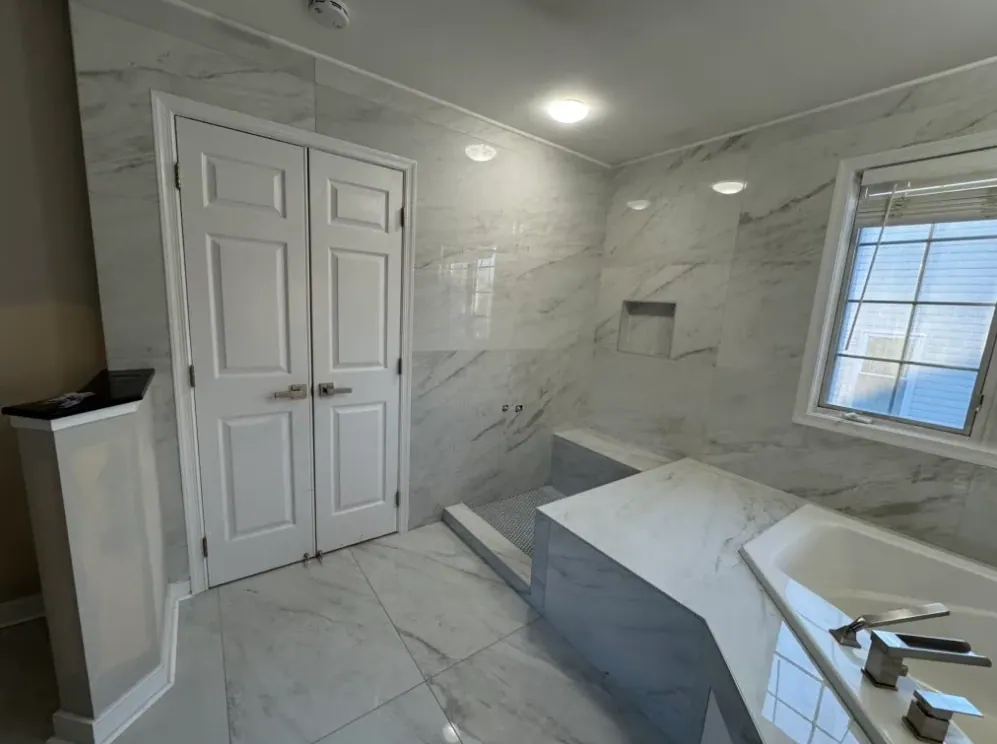
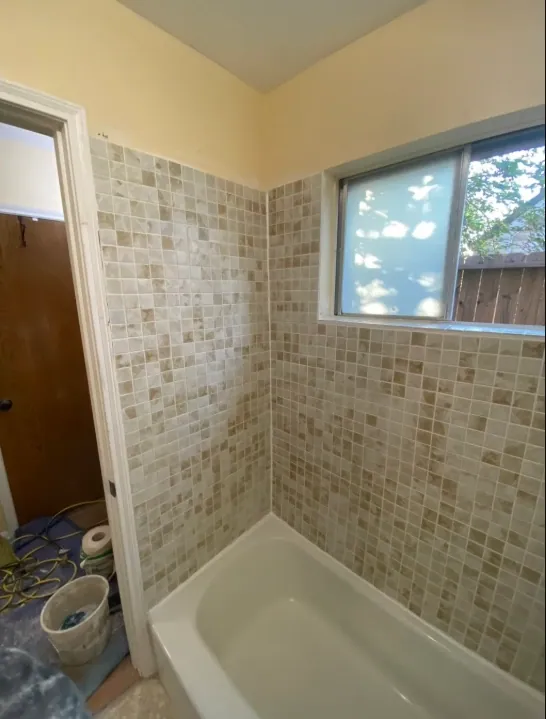
Tile installation in Warrenville often begins below living spaces or where outdoor grit meets the home. A basement floor may need review of moisture conditions, slab flatness, and movement. An entry may need a durable surface, a sensible layout around doors, and grout details that are easy to maintain through wet and snowy seasons. Winfield Tile Installation provides a practical path from assessment and preparation to setting, grouting, and cleanup for floors, bathrooms, showers, and backsplashes. Photos on this site are archive examples, not identified Warrenville projects.
A sound tile floor starts below the tile.
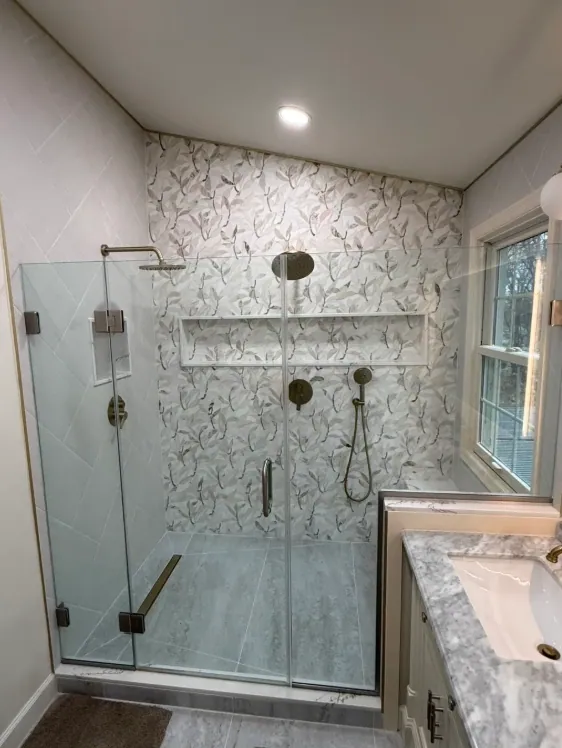
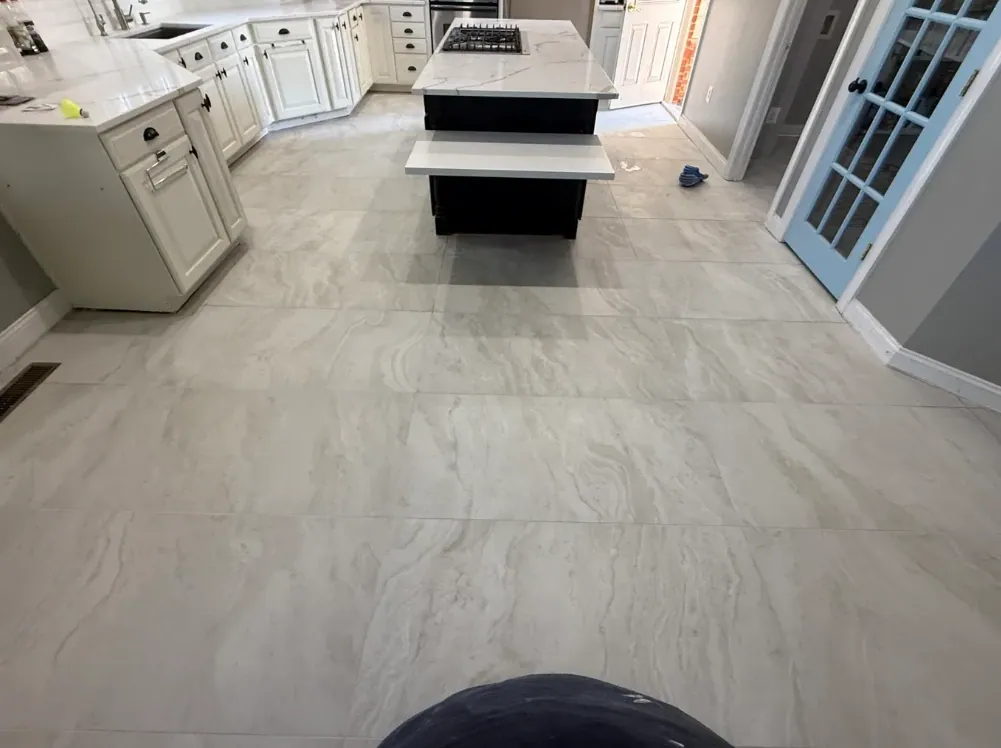
Planning a project in Warrenville? These examples from our supplied photo archive show different tile layouts and finishes. Individual project locations are not verified.
Read the experiences shared by our clients. Reviews below are provided by Trustindex, not written or selected as testimonials by us.
Thoughtful layouts for kitchens, entries, living spaces and the rooms in between.
Explore serviceDurable surfaces, careful preparation and a plan that respects your working hours.
Explore serviceWalls, floors and wet-area details considered together, from layout to finish.
Explore serviceA sound starting point: controlled removal, substrate assessment and surface preparation.
Explore serviceThe scope, material responsibilities and room access belong in the conversation before work begins. We explain the sequence so you can plan around it.
Preparation includes discussing protected routes, nearby belongings and how to keep the work zone separate from everyday life.
A tile finish is a complete assembly. We consider the support, setting system, layout and movement details together rather than treating the surface alone.
Measuring, checking substrate conditions and allowing appropriate curing time are part of the job. A sound installation should never depend on skipping those steps.
Basement spaces can serve as family rooms, laundry areas, offices, or utility zones, and each use affects the installation plan. Concrete should be checked for cracks, high and low areas, moisture concerns, and bond conditions. Preparation may include patching, grinding, or a compatible self-leveler, depending on the surface and moisture conditions.
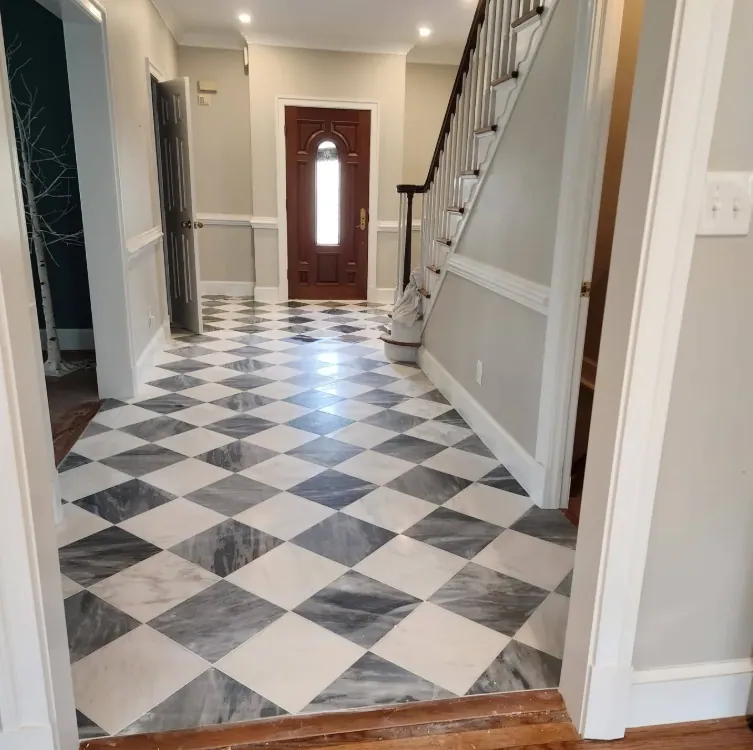
Entries have a different daily challenge. Shoes can carry winter salt, sand, and grit onto the floor, while door swings, thresholds, closets, and stairs limit where cuts can go. We plan the layout so the field reads cleanly and narrow slivers are avoided where possible. Transitions to wood, vinyl, carpet, or stairs are considered before tile is set, not left as an afterthought. The goal is a surface that fits the room and can be cleaned without fuss.
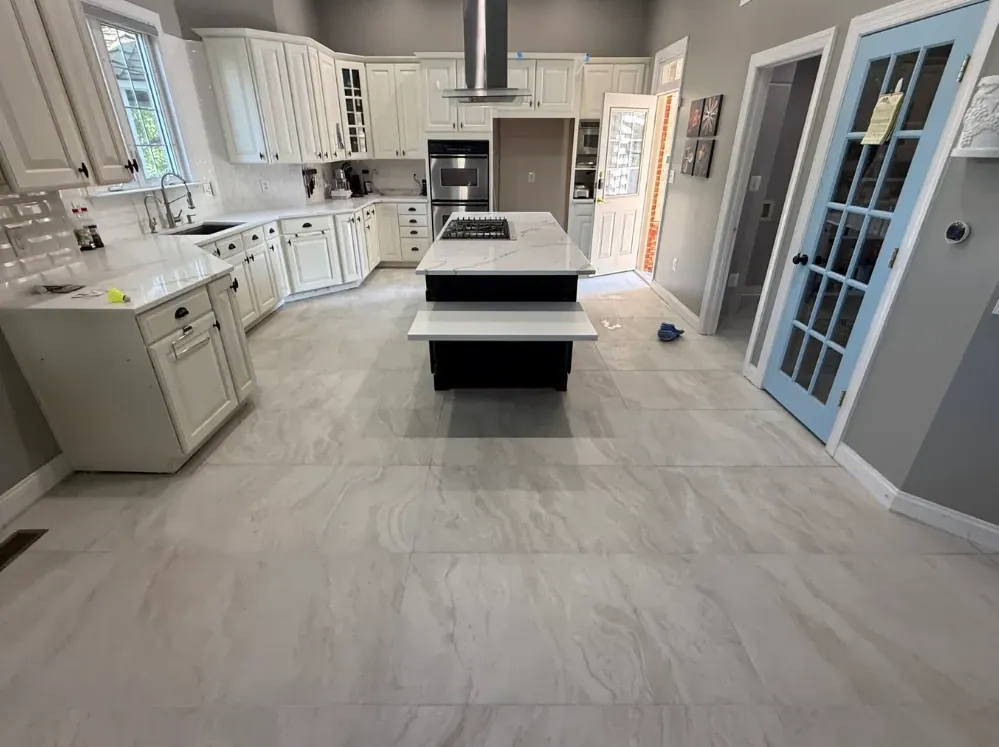
Ceramic tile suits many interior floors and walls, with a broad range of colors, shapes, and finishes. Porcelain is a dense option often chosen for floors, entries, and regular-use areas. Large-format porcelain demands a flatter substrate, careful handling, suitable setting material, and attention to coverage. Natural stone brings variation and may require sealing.
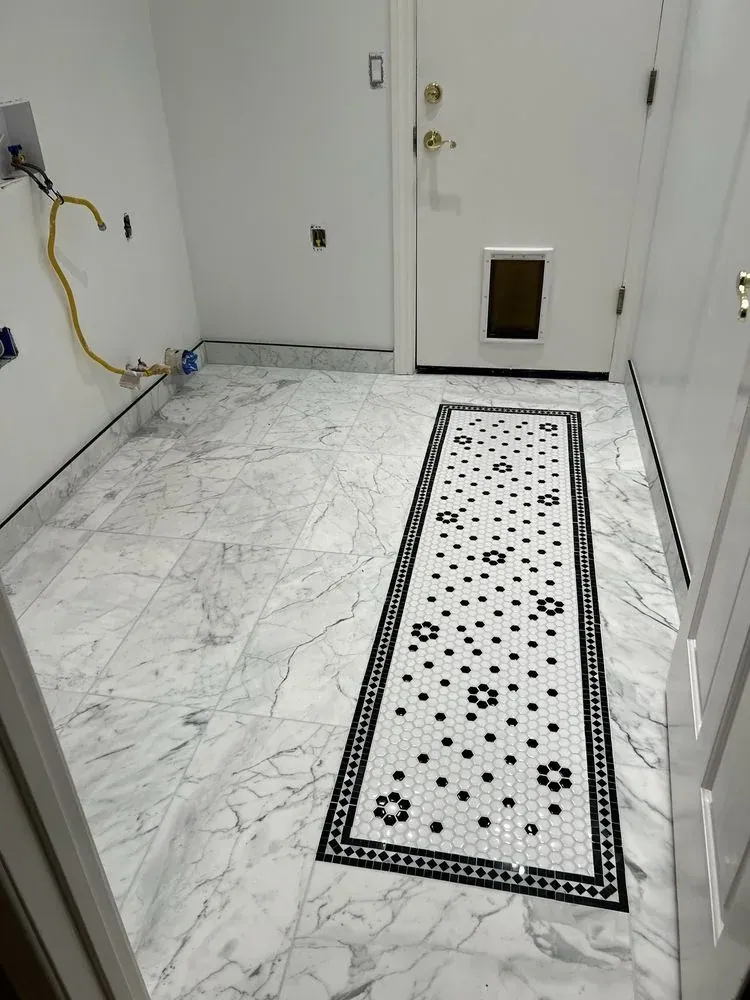
Mosaic sheets work well on shower floors, niches, borders, and other details. Glass is commonly used as an accent or backsplash material; its edges and setting requirements deserve review before installation. We discuss the room, slip considerations, maintenance, thickness, and transitions when planning a material.
The process starts with measurements, substrate inspection, and a conversation about finished height and layout. Deflection matters on framed floors because excessive movement can contribute to cracked grout or tile. Cement board and foam board are not interchangeable: cement board can provide a stable backer when installed correctly, while foam board can combine a light backer with waterproofing in systems designed for that use. The choice depends on the assembly and exposure.
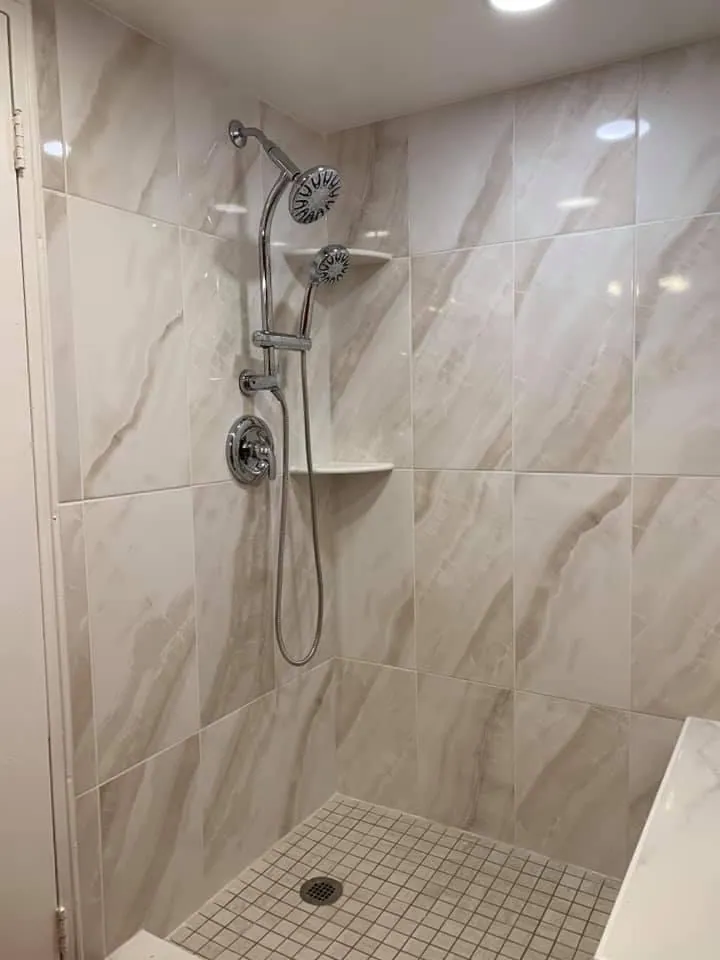
In wet areas, waterproofing and crack-isolation membranes are selected for the conditions and installed according to their requirements. A shower needs an appropriate pan, drain connection, corners, penetrations, and treatment at changes of plane. Thinset selection follows the tile, substrate, and location. We work toward full coverage, check the back of large-format pieces, and use back-buttering when needed rather than assuming a few dabs are sufficient. Layout lines, centered starting points, cuts at walls and fixtures, and lippage control all receive attention before the final pieces are pressed into place.
Grout joints are chosen in relation to tile type, size variation, room use, and guidance for the product. Changes of plane call for a flexible sealant or movement joint rather than rigid grout. Natural stone and some grout products may need sealing; sealing does not replace sound installation or routine cleaning.
At Warrenville entries, frequent sweeping or vacuuming helps remove grit before it can scratch a finish. During winter, salt residue should be picked up promptly with a cleaner suitable for the tile and grout. Avoid harsh products or abrasive tools unless the surface manufacturer permits them. Use mats without a backing that can stain or trap moisture, and keep standing water from collecting at thresholds.
Dry winter air can affect surrounding wood trim, caulk, and other finish materials. Keep an eye on joints, transitions, and wet-area sealant. Natural stone should be resealed on a schedule appropriate to the stone, exposure, and product.
Planning tile work in Warrenville? These are useful questions to settle before the first tile is set.
Have another question?Porcelain is often considered for basement floors because it is dense and available in durable floor-rated options, but substrate and moisture conditions matter first. We review the slab, flatness, use, and transitions before recommending an approach.
The layout should account for doors, thresholds, closets, and mats without creating awkward slivers. Regular sweeping or vacuuming and prompt salt removal help limit scratching and buildup. Use cleaners appropriate for the selected tile and grout.
Sometimes, but not automatically. The existing surface must be sound, flat, clean, and compatible with the setting assembly. Loose material, movement, moisture concerns, or height conflicts may require removal or preparation first.
Yes. Large-format porcelain needs a flatter substrate, appropriate thinset coverage, careful handling, and lippage control; mosaics need attention to sheet alignment and joint consistency.
Supply responsibilities should be agreed in writing. Homeowners may provide tile, or material coordination can be discussed during the quote process. Confirm quantities, trim, grout, sealers, and specialty pieces before installation.
This page does not promise a guaranteed workmanship warranty. Ask for the written project terms before approving work so the scope, preparation assumptions, change process, and any workmanship terms are clear.